



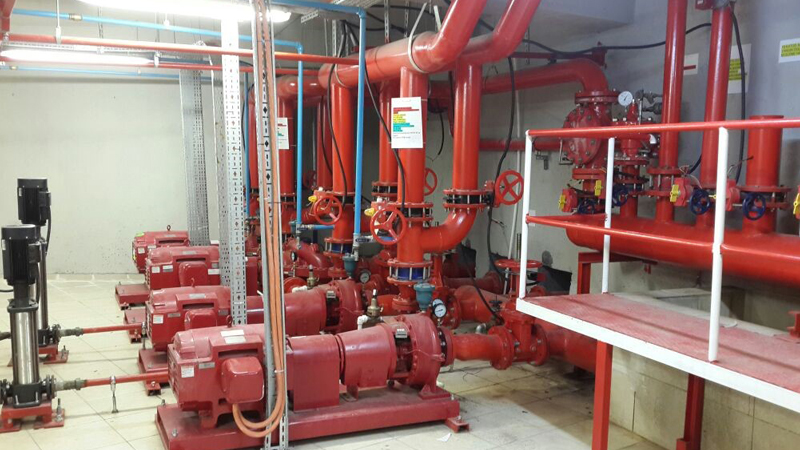
What Are Fire Protection Systems?
Fire protection systems are specialized systems designed to ensure the fire safety of a building. These systems play a crucial role in fire detection, fire suppression, and evacuation processes. The main components of fire protection systems include:
Fire Alarm Systems
Fire alarm systems are used to detect fire hazards and alert occupants in a building. The system is equipped with devices such as smoke detectors, heat sensors, and flame detectors. When a fire is detected, the system automatically triggers an alarm to warn people in the building.
Suppression Systems
The most commonly used fire suppression systems in fire protection are sprinkler systems and fire extinguishers. Sprinkler systems consist of sprinkler heads mounted on the ceiling that automatically release water when a fire is detected. Fire extinguishers, on the other hand, are portable or fixed firefighting devices such as extinguisher tubes, fire cabinets, or fire hoses.
Fire Cabinets
Fire cabinets are storage units for fire hoses and other firefighting equipment. They are usually located in building corridors or areas at high risk of fire. It is important for fire cabinets to be easily accessible in case of an emergency.
Smoke Exhaust Systems
Smoke exhaust systems are used to evacuate smoke generated during a fire. These systems employ smoke exhaust fans, smoke dampers, or natural ventilation to remove smoke from the building. Clearing smoke allows occupants to escape the building safely and aids firefighters in controlling the fire.
Fire protection systems are vital for enhancing fire safety and protecting the lives of occupants in a building. The design, installation, and maintenance of these systems should be carried out by fire safety experts or authorized companies. Regular testing and maintenance of fire protection systems are also important to ensure their effectiveness.
Get An Offer
Other Services
Comments