



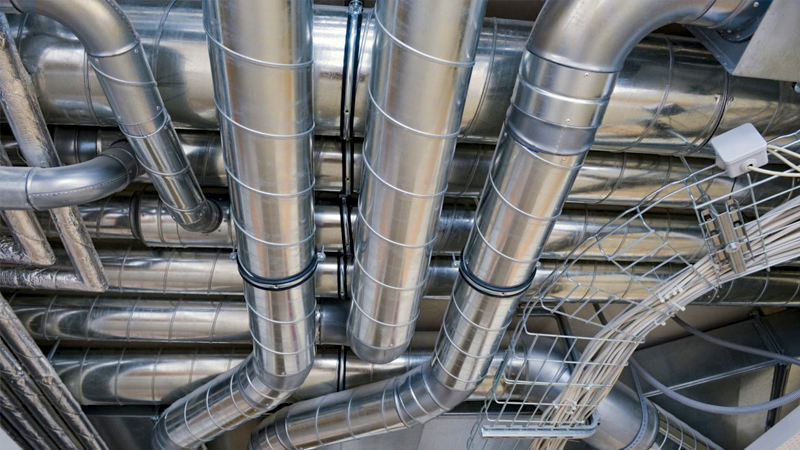
Ventilation systems are used to provide a healthy and comfortable indoor air quality in buildings. These systems ensure the continuous circulation of air by facilitating the intake of fresh air from the outside and the removal of stale indoor air. Here is more information about ventilation systems:
- Fresh Air Intake: Ventilation systems facilitate the intake of fresh air from the outside. This fresh air increases the oxygen levels and keeps the indoor environment refreshing. Fresh air intake also helps reduce indoor pollutants and aids in the elimination of unpleasant odors.
- Exhaust of Polluted Air: Ventilation systems remove accumulated polluted air. They expel moisture and odors generated in areas such as bathrooms and kitchens, cigarette smoke, dust, and other pollutants, thus improving indoor air quality.
- Filtration: Ventilation systems filter the air, preventing the entry of dust, pollen, allergens, and other particles. This filtration process is important for individuals with respiratory issues such as asthma or allergies, as it reduces the amount of allergens present in the indoor environment.
- Heat Recovery: Some ventilation systems utilize heat recovery technology. These systems recover heat from the indoor air to warm or cool the fresh air from the outside. This contributes to energy savings and reduces climate control costs.
- Noise Control: Ventilation systems can have special sound insulation features designed to control indoor noise levels, providing a quiet and comfortable indoor environment.
Ventilation systems are used in various structures such as homes, offices, hospitals, schools, restaurants, and other commercial buildings. The installation and maintenance of ventilation systems should be carried out by HVAC (Heating, Ventilation, and Air Conditioning) specialists. These experts design and install the system in accordance with building specifications, usage requirements, and local ventilation standards. They also ensure the regular maintenance of the systems to maintain their efficiency and functionality.
The benefits of ventilation systems include:
- Improving indoor air quality and creating a healthy environment.
- Removing odors and pollutants, preventing the spread of unpleasant smells and smoke.
- Controlling humidity levels inside the building and preventing mold or mildew formation.
- Increasing energy efficiency and reducing climate control costs.
- Systems that provide heat recovery contribute to energy savings.
- Providing a quiet indoor environment with sound insulation properties.
- Air filtration capability improves respiratory health by reducing allergens and dust.
Ventilation systems constantly refresh the air in buildings, ensuring a healthy and comfortable indoor environment. Therefore, having an effective ventilation system in buildings is important. A well-designed, properly functioning, and regularly maintained ventilation system enhances the health and comfort of occupants while promoting energy efficiency.
Get An Offer
Other Services
Comments