




What is Split Air Conditioner?
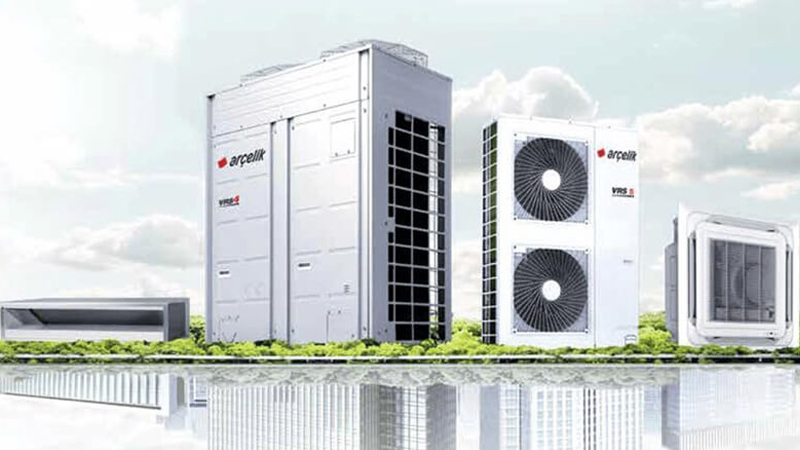
Split air conditioner, a two-part air conditioning system consisting of an indoor unit and an outdoor unit. In this system, the indoor unit (located inside the space) blows cold or hot air to maintain the desired temperature. The outdoor unit, on the other hand, uses the outside air to remove or generate heat.
The indoor unit is usually wall-mounted or ceiling-mounted. It contains a fan and cooling or heating coils. The outdoor unit is typically located outside the building and houses the compressor and condenser. There is a refrigerant pipe connecting the indoor and outdoor units to facilitate the circulation of the refrigerant gas.
Split air conditioning systems are commonly used in small or medium-sized spaces such as homes, offices, and other commercial areas. The advantages of these systems include energy efficiency, quiet operation, independent temperature control, and an aesthetic appearance.
Split systems provide flexibility for users to place the indoor unit in the desired room and avoid being affected by the noise of the outdoor unit. In general, split air conditioners are popular choices for providing comfort in a wide range of applications.
What Should We Consider When Choosing a Split Air Conditioner?
When choosing a split air conditioner, there are several factors to consider. Here are some important points to keep in mind:
- Capacity: It is important to choose the right capacity based on the size of the area you need to cool or heat. An undersized air conditioner may not adequately cool a large room and can reduce energy efficiency by overworking. On the other hand, an oversized air conditioner may excessively cool a small room and waste energy. Consider factors such as room size, sunlight exposure, and insulation when determining the capacity requirement.
- Energy Efficiency: The energy efficiency levels of split air conditioners are often expressed as Energy Efficiency Ratio (EER) or Seasonal Energy Efficiency Ratio (SEER). A higher EER or SEER value indicates a more energy-efficient unit. Opting for an energy-efficient split air conditioner can help reduce energy costs and minimize environmental impact.
- Brand and Quality: There are various brands and models of split air conditioners available. Choosing well-known and reputable brands is important for product quality, performance, and customer service. Opting for a high-quality brand can result in a more durable and longer-lasting unit.
- Indoor Unit Design: The design of the indoor unit should be compatible with the room where the air conditioner will be used and provide the desired aesthetic appearance. Indoor unit designs can vary in terms of size, color, and mounting options. When selecting the indoor unit, it’s important to choose a design that complements the style and decor of the space.
- Noise Level: The noise generated by the air conditioner during operation is another factor to consider. Opting for a split air conditioner that operates quietly can contribute to your overall comfort. Check the manufacturer’s specified noise levels and, if possible, listen to the unit operating in a showroom.
- Warranty and Service: The warranty period and after-sales service support offered for the purchased split air conditioner are important considerations. A good warranty provides protection against possible malfunctions and instills confidence for long-term use. Additionally, choosing a brand with a reliable after-sales service network ensures quick and effective support in case of any issues with your air conditioner.
- Equipment and Installation Cost: When selecting a split air conditioner, it’s important to consider both the equipment cost and installation cost. Comparing different brands and models to find a good price-quality balance can help you make a choice that fits your budget. Additionally, having the installation performed by a professional HVAC technician ensures a proper and safe installation.
- Features and Functions: Split air conditioners can come with various features and functions. Some common features include remote control, timer, sleep mode, air purification filters, dehumidification capability, and energy-saving mode. Choosing a split air conditioner that offers the features and functions that best suit your needs can provide added convenience in usage.
By considering these factors, you can select the most suitable split air conditioner that meets your needs and preferences. Also, remember to perform regular maintenance and ensure periodic cleaning of your air conditioner, as this enhances its performance and durability.
Get An Offer
Other Services


Comments