



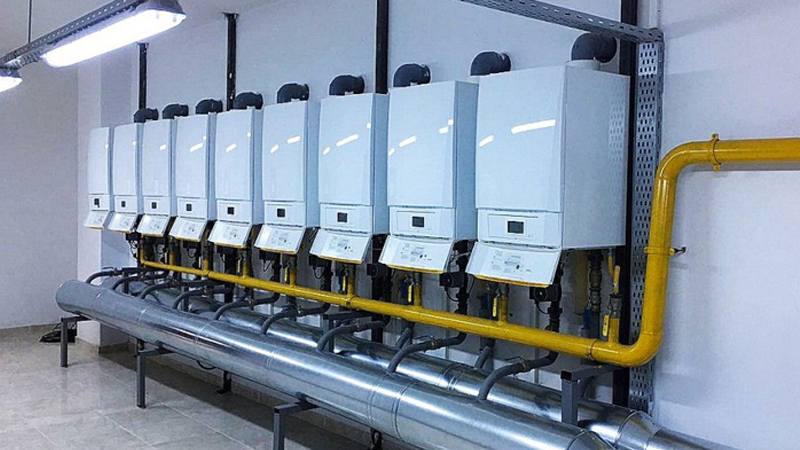
What are Central Heating Systems?
Central heating systems are systems that meet the heating needs of multiple residential or commercial buildings from a single centralized system. These systems are typically preferred for large structures such as apartment complexes, hotels, office buildings, and shopping malls.
Central heating systems consist of the following components:
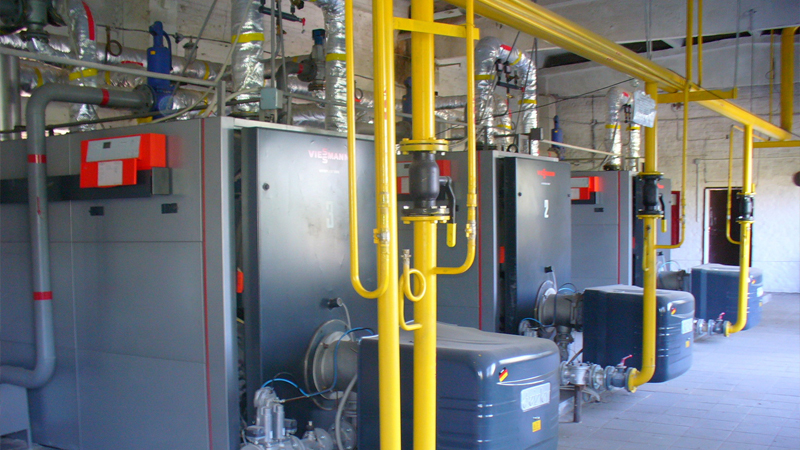
Boiler: In central heating systems, the boiler is the main component that produces heat. The boiler typically uses a fuel source such as natural gas, fuel oil, or coal. It generates heat by heating water or producing steam, and utilizes a circulation pump to distribute the heat to the system.
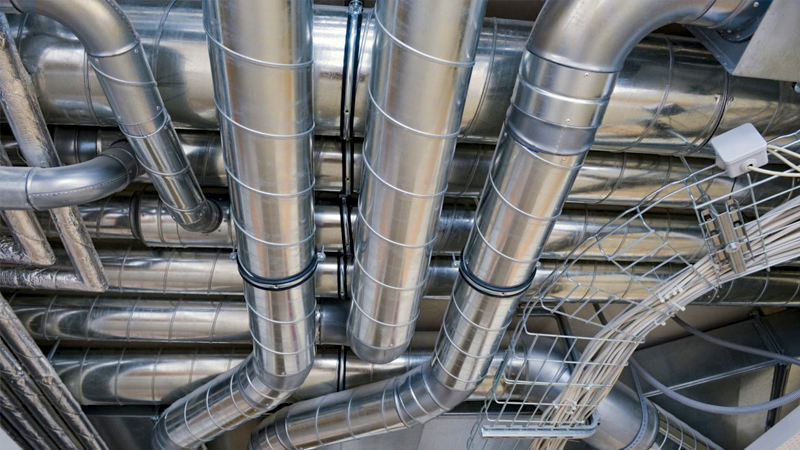
Heating Pipelines: The heat from the boiler is distributed to different areas within the building through heating pipelines. These pipelines are usually composed of pipes and carry the heated water or steam. Heating pipelines are directed to different rooms or zones within the building to provide heating.
Radiators or Heating Units: The hot water or steam from the heating pipelines is used to heat rooms through radiators or heating units. Radiators are typically made of metal panels or pipes and emit heat into the room, thereby heating the space.
Thermostats and Control Systems: Central heating systems have thermostats or temperature control devices in each zone or room. These devices detect the room temperature and control the operation of the heating system. This allows individual temperature adjustment in each zone and enables energy savings.
Central heating systems offer energy and cost savings by heating multiple units from a single heat source. Additionally, being a centralized system, they are easier to maintain and control. However, regular maintenance and inspections are important due to the potential impact of system malfunctions on the entire building.
The installation and maintenance of such heating systems should be carried out by licensed plumbers or specialized companies.
Get An Offer
Other Services
Comments